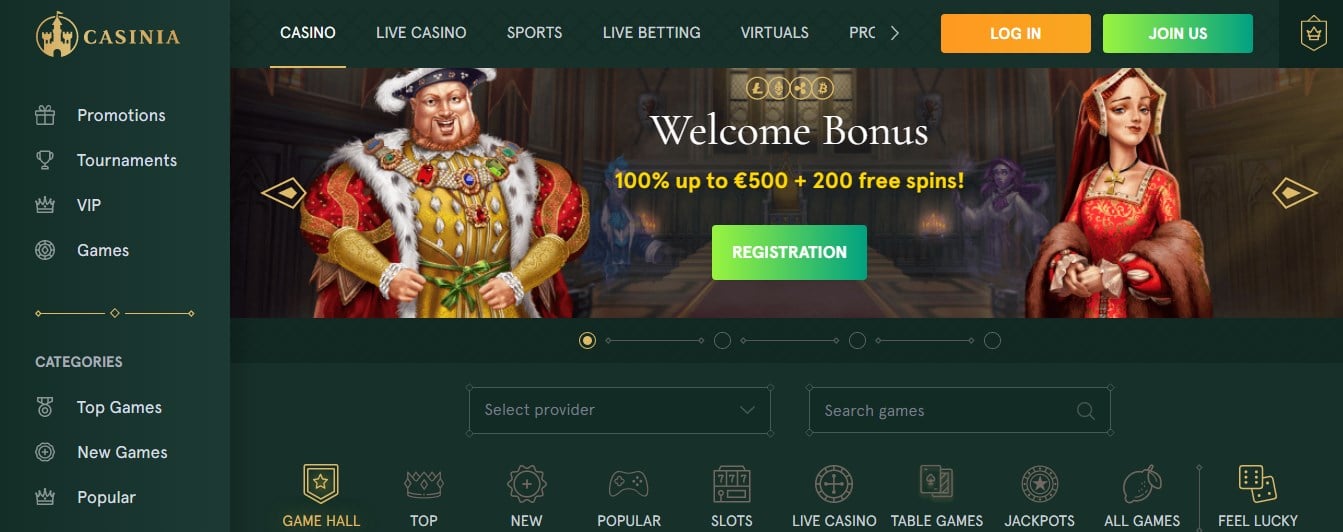
Navigating %key1% feels surprisingly intuitive from the first click
The straightforward layout of %key1% makes it easy to find what you need quickly, inviting users to engage comfortably right from the start. Subtle design choices pave the way for a smooth experience that encourages further exploration.
The Subtle Art of Intuitive Interaction
There’s a certain charm in discovering how effortless it can be to navigate %key1%. It’s not just about clicking through options; it’s about how natural the flow feels from the very first interaction. The design behind many modern platforms, including those powered by industry leaders like NetEnt and Play’n GO, often relies on familiar patterns and user-friendly layouts that invite users to explore without hesitation. Have you ever wondered why some interfaces make complex tasks seem deceptively simple?
For example, when diving into %key1%, users often find themselves guided smoothly through menus and features, thanks in part to effective use of technologies like SSL encryption that ensure secure and reliable connections, further building trust with the user. This kind of intuitive design reduces the learning curve and keeps frustration at bay, which is crucial when users expect quick access and clear functionality.
What Makes Navigation Feel So Natural?
There’s a science to this kind of seamless interaction. It often involves a blend of familiar visual cues and predictable responses—buttons where you expect them, clear calls to action, and a consistent flow that mirrors real-world decision making. Platforms that incorporate recognizable elements from beloved games or interfaces, such as Starburst’s vibrant reels or Book of Dead’s thematic storytelling, tend to engage people more deeply because they tap into existing mental models.
Moreover, accessibility plays a key role. Good navigation takes into account different user needs, including those who rely on screen readers or keyboard navigation. Incorporating these features can be challenging, but it’s increasingly seen as essential, especially since many regions now mandate compliance with accessibility standards.
Practical Tips for Mastering %key1% Navigation
For anyone looking to get the most out of %key1%, a few practical pointers can make a big difference:
- Start simple: Focus on the main features first before exploring advanced options.
- Use search and filter tools effectively—they’re often hidden gems that speed up navigation.
- Pay attention to feedback signals like loading animations or confirmation messages—they help you understand what’s happening behind the scenes.
- Don’t hesitate to revisit tutorials or help sections; they can provide valuable shortcuts and insights.
- Be mindful of security indicators, especially when sharing sensitive information, as SSL and similar technologies protect your data.
It might seem like common sense, but the temptation to rush ahead without a clear plan often leads to missed features or confusion. On my own, I’ve found that taking a moment to get acquainted with the layout saves time and frustration in the long run.
Behind the Scenes: Technology and Trust
Technological frameworks supporting %key1% have evolved significantly over the last few years. The integration of advanced backend systems ensures not only performance speed but also security. Providers such as Evolution Gaming have set high standards in delivering smooth, interactive experiences that feel personal yet robust.
Trust is a silent yet powerful player here. Users tend to prefer platforms where they feel confident their data is protected and transactions are handled reliably. Payment methods like Vipps or BankID, widely adopted in Nordic countries, exemplify this by combining convenience with strong authentication protocols.
As platforms continue to evolve, balancing innovation with user comfort remains paramount. This sometimes means avoiding flashy but confusing features in favor of straightforward usability that works for the majority.
What Worth Remembering About Intuitive Navigation
At the core, navigating %key1% isn’t just about the aesthetic or technology—it’s about respect for the user’s time and attention. When an interface is truly intuitive, it creates a subtle confidence that encourages exploration without fear of making mistakes. This respect often reflects in careful design choices, from the layout to the responsiveness of interactive elements.
It’s also important to acknowledge that responsible use of technology includes being aware of the potential pitfalls. Whether it’s the risk of overindulgence in digital experiences or concerns about privacy, users benefit from platforms that encourage thoughtful engagement. After all, an intuitive interface should not only guide but also protect.
Ultimately, the question remains: how do we continue refining these experiences so they feel natural to ever more diverse groups of users? The answer likely lies in ongoing dialogue between developers and users, paired with a willingness to learn from each interaction. If you want to start exploring this for yourself, a good starting point is to check out https://google.com/, where the first impression is designed to be just that straightforward.